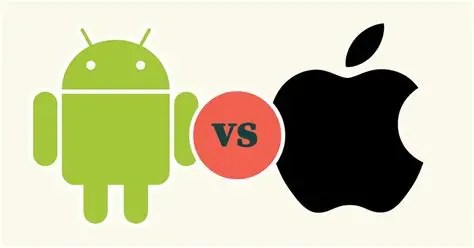
One brand rivalry that I personally notice a lot is Apple versus Android. I use Apple products myself, so I understand how easy it is to become loyal to one side. I have an iPhone and recently looked into getting an Apple Watch, which made me realize how much one purchase can influence another. Once someone already has an iPhone, buying an Apple Watch or AirPods makes sense because the products are designed to work together. Android users can have the same type of loyalty to phones such as Samsung or Google Pixel. This rivalry is a good example of how brands can create loyal customers by giving them reasons to stay with what they already know.
Traditional rivalry marketing usually focuses on showing why one brand is better than the other. With Apple and Android, this can include comparisons involving cameras, customization, battery life, messaging, or different features. As an Apple user, I know I personally pay more attention to new Apple products because I already know how they work and how they connect with the products I have. Even if another phone has similar or better features, switching would mean learning something different and possibly losing some of the convenience I already have. This shows how brand loyalty can influence a purchase before a consumer even starts comparing every option.
A different strategy would be for Apple or an Android phone brand to actually praise its competitor. Research has shown that when a company says something positive about a competitor, consumers may see the company as warmer and more thoughtful (Zhou et al., 2022). For example, if Apple complimented Samsung for a new camera feature, it could make Apple seem confident instead of threatened by the competition. As a consumer, I think seeing two major brands acknowledge each other’s strengths would stand out because we are so used to seeing companies explain why they are better.
This also connects with thin-slice theory, which explains how people can form opinions based on a small amount of information. I know when I am scrolling through social media, I usually do not spend a lot of time analyzing every advertisement I see. I might only look at something for a few seconds before deciding whether I am interested. If I saw Apple complimenting a competitor instead of making fun of it, I could quickly see the company as more positive or confident. These quick impressions can influence whether consumers pay attention to a brand and eventually consider buying from it.
However, praising competitors would not always work. Apple and Android users can be very loyal, so some people may not like seeing their preferred brand compliment the other side. It could also make consumers curious about a competitor’s product. For example, if Apple praised a Samsung feature that I had never heard about before, I might decide to look into it. The strategy could also backfire if the compliment seemed fake or like an obvious attempt to get attention.
Overall, I think the Apple versus Android rivalry shows how much brand loyalty can affect consumer behavior. From my own experience, once I started using Apple products, it became easier to continue choosing products within the same ecosystem. Traditional rivalry marketing can reinforce that loyalty, while competitor praise could create a different type of positive reaction. Either way, the way these brands talk about each other can influence how consumers view them and the products they eventually choose.
References
Peracchio, L. A., & Luna, D. (2006). The role of thin-slice judgments in consumer psychology. Journal of Consumer Psychology, 16(1), 25–32.
Zhou, L., Du, K. M., & Cutright, K. M. (2022). Befriending the enemy: The effects of observing brand-to-brand praise on consumer evaluations and choices. Journal of Marketing, 86(4), 57–72.


Leave a Reply